
Arlington, MA Roofing Contractor for Old Homes, Slate Roofs & Ice Dams
Most Arlington roofs sit on houses built between 1890 and 1960: steep colonials, up-and-down two-families, Capes with finished half-story attics, and Victorians with more valleys than you can count. Then add 45-plus inches of snow, dozens of freeze-thaw swings each winter, and oaks and white pines shedding into every gutter. Under those conditions, small flashing gaps turn into stained ceilings fast. Greater Boston Roofers is based right here in Arlington. We replace asphalt and slate roofs, fix leaks and flashing, build flat roofs over porches and additions, and clear ice dams before they cause real damage.
We know what's usually hiding under an Arlington roof: board sheathing from the wood-shingle era, two or three old layers, unlined chimneys, and built-in Yankee gutters rotting inside the cornice. Every job includes ice and water shield and a close look at ventilation. We handle the permit and give you a written estimate that spells out the scope, and we clean up every day. Our crews work across East Arlington and Arlington Heights and in nearby Belmont, Medford, Winchester, Somerville, Watertown and Cambridge.
- ✓Bonded roofing contractor
- ✓Fully insured crews
- ✓Financing available
- ✓Permits pulled and handled for you
- ✓Ice and water shield and ventilation on every project
- ✓Clear written estimates and tidy daily cleanup
- ✓Serving a 20-mile radius from Arlington
Request Your Free Estimate
No obligation. Fast, honest quotes.
Thank you — your request was sent!
A member of the Greater Boston Roofers team will reach out shortly. Need help now? Call (781) 227-8632.
Why Arlington Homes Need a Roofer Who Knows This Area
An Arlington roof has to handle New England weather on top of a century of earlier repairs. The climate, the age of the houses and the local permit rules all affect what a lasting roof costs and how it should be built. Here's what we deal with on most jobs.
Snow, Ice and Freeze-Thaw: How Arlington's Climate Wears Down Roofs
Arlington sits where two humid continental climate zones meet. January lows average in the low 20s °F and July highs reach the low-to-mid 80s, so roof decks see roughly a 60°F seasonal swing, and dark shingles in full sun swing much more than that in a single day. Rain and snow total about 44–48 inches a year, spread across every month. Boston Logan averages 45–50 inches of snow a season, and higher spots like Arlington Heights often get more. One nor'easter can drop 1–2 feet of heavy, wet snow. Through the winter, temperatures keep crossing 32°F. Meltwater refreezes at cold eaves and backs up under shingles, and the same cycling cracks chimney mortar, lifts flashing and spalls slate. People still remember the 2014–15 winter, when about 110 inches fell in Boston and ice-dam leaks hit homes all over town.
Century-Old Houses With Complicated Roofs
Arlington grew as a streetcar and railroad suburb along Mass Ave and the old Lexington branch line, which is now the Minuteman Bikeway. The housing reflects that history. East Arlington has a lot of two-families. Arlington Center and the Pleasant Street area have Queen Anne Victorians with turrets and steep valleys. You'll find gambrel-roofed Dutch Colonials and bungalows from the 1910s–30s, and postwar Capes in Morningside and Kelwyn Manor. Those Capes often have knee walls and shed dormers with almost no room for insulation or airflow, which makes them prone to ice dams. Under the shingles we regularly find gapped plank sheathing, stacked layers, bathroom fans vented into the attic, and old brick chimneys with worn step flashing. A bid that leaves these out will look cheap, and the real cost turns up as change orders later.
Permits, Historic Districts and Energy Code
In Massachusetts, roofing work falls under the state building code (780 CMR). Roof replacements and major repairs generally need a building permit, which in Arlington comes from Inspectional Services at Town Hall. The code requires ice barrier at the eaves running at least 24 inches inside the exterior wall line, and it usually requires a full tear-off once a roof already has two layers. Arlington's local historic districts include Avon Place, Broadway, Central Street, Jason/Gray, Mount Gilboa/Crescent Hill, Pleasant Street and Russell Street. If you live in one, switching from slate to asphalt, adding skylights or installing visible solar can require a certificate before work starts. Arlington has also adopted a stricter energy code option, so a reroof that exposes insulation can raise compliance questions. On pre-1978 homes, federal and state lead-paint rules affect how fascia, trim and gutters can be disturbed.
A Research-Heavy, Preservation-Minded Market
About 46,000 people live in Arlington's 5.5 square miles. Home values are well above the state median, and owners do their homework. They read reviews, ask around on Nextdoor and neighborhood email lists, and get several quotes. Plenty of them want a roof that will outlast a 25-year solar array, or they're planning the reroof alongside insulation, air sealing and heat pumps through Mass Save. Many owner-occupants of two-families and condo associations also need clear, itemized scopes so they can divide the cost fairly.
Common Roofing Problems in Arlington and Nearby Towns
Most of our calls in Arlington trace back to a handful of causes: freeze-thaw winters, aging flashing, heavy tree cover and roofs that have been patched for decades. Below are the problems we find most often, roughly how urgent each one is, and why they're so common here.
Ice Dams and Winter Ceiling Leaks Emergency
An ice dam is a ridge of ice that forms at the eaves. Heat escaping from the house melts snow higher on the roof, and the water refreezes over the cold overhang. The water that pools behind the ice then works its way under the shingles and into soffits, walls and ceilings.
Why it's common hereArlington gets 45-plus inches of snow in an average season, and winter temperatures keep crossing 32°F, which is ideal for ice dams. The houses make it worse. Postwar Capes in Morningside and Kelwyn Manor have finished half-story attics with skimpy knee-wall insulation. Victorians and bungalows often have little or no soffit or ridge venting. Bathroom fans dumping warm, moist air into the attic add more heat. Older roofs were also built before ice barrier was required, so nothing stops water once it backs up past the drip edge.
Signs you'll notice- Icicles thicker than your wrist along the gutters
- Water stains or drips on top-floor ceilings and exterior walls
- Paint bubbling around windows under the eaves
- Thick ice built up in or bulging out of the gutters
- Wet insulation or frost on the underside of the roof deck in the attic
- Snow melting high on the roof while the eaves stay frozen
Ice dams hit hardest on Capes and bungalows in Morningside, Kelwyn Manor and Turkey Hill, on north-facing slopes in Arlington Heights, and on Victorians with complex valleys near Arlington Center. Calls jump after any nor'easter that's followed by sunny days in the low 30s.
Our fix: Safe steam removal of the ice and roof-snow raking right away. Then the permanent fix: ice and water membrane, balanced ventilation and attic air sealing so the dams don't come back.
Failed Chimney and Step Flashing Serious
Flashing is the metal that seals the joints where the roof meets a chimney, dormer wall or skylight. When it pulls loose, corrodes or loses its mortar seal, water runs down the brick or siding and into the framing below.
Why it's common hereNearly every Arlington house built before 1960 has a brick chimney, and many have deteriorated crowns or no liner. Each freeze-thaw cycle opens up the mortar joints that hold counterflashing a little more, and decades of tar patches trap water rather than shedding it. Dormers on colonials and two-families add many more wall-to-roof joints, and these often rot behind old clapboard. That's especially true where a later porch roof was simply installed over the existing siding.
Signs you'll notice- Stains on the ceiling or wall beside the chimney
- Thick tar or caulk smeared around the chimney base
- Cracked or missing mortar and a crumbling chimney crown
- Loose or rusted metal along the dormer walls
- Efflorescence (white residue) on chimney brick in the attic
- Leaks that show up only in wind-driven rain
We see this all over East Arlington two-families, Jason Heights colonials and the older streets of Little Scotland. Leaks usually show up during spring nor'easters with driving rain, once the winter's freeze-thaw has loosened the flashing.
Our fix: Remove the old flashing and tar. Install new step flashing and counterflashing cut into the mortar joints, repoint the brick, and repair or rebuild the crown as needed.
Worn-Out Asphalt Shingles Over Multiple Layers Moderate
Over time, asphalt shingles lose their granules, curl and crack, and they stop shedding water reliably. When new shingles were installed over old ones, the extra layers hold heat, add weight and hide problems in the deck underneath.
Why it's common hereFor decades, roofing over the old roof was the cheap fix in Arlington, so we often find two or three layers sitting on board sheathing from the wood-shingle era. Summer heat in poorly vented attics bakes the shingles from below, and UV wears them from above. On shaded lots, moss and lichen hold moisture against the shingle surface. Once a roof has two layers, the state code generally requires a full tear-off.
Signs you'll notice- Shingles curling, cupping or cracked
- Granules collecting in the gutters and downspouts
- Bald or dark streaked patches
- A wavy or sagging roofline between rafters
- Two or more shingle edges visible at the drip edge
- Moss or lichen on north-facing slopes
Common on 1920s–50s colonials and Capes across Arlington Heights, the Robbins Farm area and Brattle / Poets Corner, where many roofs date from the 1990s and were laid over an older layer.
Our fix: A full tear-off down to the deck. We repair or overlay the plank sheathing, then install ice and water shield, synthetic underlayment, architectural shingles and balanced ventilation.
Ponding and Seam Failure on Flat and Low-Slope Roofs Serious
On flat roofs, water that sits for more than 48 hours, seams that open up, and blocked scuppers or drains all break down the membrane. Leaks then move sideways under it, so the stain inside often shows up well away from the actual hole.
Why it's common herePorch roofs, rear additions and the many triple-deckers just over the line in Somerville and Medford are almost all low-slope. Many were covered with rolled roofing or old built-up tar. Under heavy snow loads the decks sag, which creates low spots where water collects. Roof decks, HVAC curbs and solar mounts add penetrations, and leaves from mature trees pack the drains. In condo buildings with shared ownership, repairs often get put off until a leak forces a decision.
Signs you'll notice- Puddles still standing two days after rain
- Blistered, cracked or alligatored membrane
- Seams lifting at the edges or around curbs
- Leaks around roof-deck posts or AC units
- Clogged scuppers or internal drains
- Stains on the top-floor ceiling under a porch or addition
Most common on East Arlington two-family porch roofs, triple-deckers near Davis Square, West Medford multi-families, and mid-century low-slope houses in Arlington and Belmont.
Our fix: Spot repair or recoating if the membrane is still sound. If it isn't, a full replacement with EPDM or TPO, with tapered insulation to correct ponding and properly flashed drains and curbs.
Cracked, Slipped or Missing Slate Moderate
Good slate can last a century or more, but the nails and flashing holding it usually wear out first. Individual slates crack, slide out of place or fall off, which leaves gaps over the felt or bare deck.
Why it's common hereVictorians in Arlington Center and on Mount Gilboa / Crescent Hill, along with older homes in Belmont, Winchester and Lexington, still carry original Vermont, New York or Pennsylvania slate. Freeze-thaw spalls softer slates, and ice dams and snow loads push them out of place. A lot of the damage comes from people, though: crews walking on slate during gutter or chimney work, and homeowners hiring generalists who patch with tar or mismatched pieces.
Signs you'll notice- Slates lying on the ground or in the gutters
- Visible gaps or slates hanging out of line
- Tar or caulk patches on the slate
- Flaking or delaminating slate surfaces
- Rusty or failing copper or terne valleys
- Leaks near valleys after heavy rain
Concentrated in Arlington's historic districts, on Belmont Hill, around Winchester Center and in older parts of Lexington and Cambridge, where historic commissions often want the original material preserved.
Our fix: Replace individual slates using slate hooks or copper nails and matched stone, and redo valleys and flashing in copper. We give honest repair-versus-replace advice that takes historic review into account.
Rotted Built-In Gutters, Fascia and Clogged Valleys Minor
Built-in (Yankee) gutters are wooden troughs built into the cornice, and many older homes still have wooden gutters on the fascia. When their linings fail, water soaks the cornice, soffit and rafter tails. Clogged valleys and gutters cause overflow during downpours.
Why it's common hereArlington's mature oaks, maples and white pines fill gutters and valleys several times a year. Summer thunderstorms dump more water than clogged or undersized gutters can carry. Many pre-1940 houses still have Yankee gutters whose linings failed long ago. Because so many homes predate 1978, fascia and trim usually have lead paint, which means they have to be handled carefully during repair.
Signs you'll notice- Water spilling over the gutter during storms
- Peeling paint or soft wood on the cornice
- Plants or moss growing in the gutters
- Stains on the soffit under the gutter line
- Gutters pulling away from the fascia
- Pine needles packed into roof valleys
Most common on tree-lined streets in Arlington Heights, the Robbins Farm area and Turkey Hill, and on Victorians around Pleasant Street. These roofs often end up with ice dams the following winter.
Our fix: Clear the valleys and gutters, then reline built-in gutters or replace rotted fascia and soffit. Add gutter guards where heavy tree cover justifies them.
Roofing Services for Arlington Homes and Buildings
We match the fix to the house in front of us, whether that's a slate Victorian, a two-family with a leaking porch roof, or a Cape with ice dams every winter. Here are the roofing services we offer and how each one applies to Arlington and the surrounding towns.
Roof Replacement & Asphalt Shingle Installation ⭐ Specialty
We do full tear-offs and new installations with architectural or 3-tab shingles, including roof replacement in winter when the weather allows. That covers new drip edge, ice and water shield, synthetic underlayment, flashing and ridge-to-soffit ventilation.
Our approachWe strip every old layer down to the deck and replace or overlay rotted or gapped plank sheathing. Ice barrier goes in well past the 24-inch code minimum at the eaves, as well as in valleys and at walls. Fastening follows the manufacturer's wind-rating requirements.
In Arlington, MAThis is built for Arlington's 1900s colonials, two-families and Capes, where we routinely find two or three layers and board decking. We pull the Arlington permit, and if you're planning solar, we can schedule the reroof around it.
Best for: Roofs over 20 years old, roofs with two or more layers, and homeowners preparing for solar or a sale who want a roof that won't need attention for decades.
Ice Dam Removal & Winter Roof Services ⭐ Specialty
Professional ice dam removal, roof snow removal and gutter ice removal, plus repair of ice dam leaks and the water damage they cause. We also install roof heat cable or tape where it actually makes sense.
Our approachWe melt channels and clear ice with low-pressure steam, never hatchets or chisels that tear shingles. Snow is raked or shoveled off carefully. Afterward, we look at the attic for heat loss and ventilation gaps so we can recommend a permanent fix.
In Arlington, MAAfter nor'easters, Capes in Morningside, Kelwyn Manor and Turkey Hill and Victorians in Arlington Heights account for most of our winter calls. Fixing the cause usually means ice and water membrane plus soffit and ridge venting.
Best for: Active ceiling leaks, heavy icicles and gutter ice, snow piled 2+ feet on the roof, and homeowners who are tired of the same leak every January.
Roof Repair, Leak Detection & Patching
We find and fix leaks, replace damaged or missing shingles, patch roofs, repair storm damage and handle leaks in winter. We also offer restoration and maintenance plans to keep a roof going longer.
Our approachWe trace the leak from inside the attic as well as on the roof, because water often travels along rafters before it drips. Repairs use materials that match your existing roof, and we photograph the problem and the finished repair.
In Arlington, MAArlington roofs that have been patched over and over often have more than one leak source. Before quoting, we check chimneys, dormer walls and valleys on Victorians and two-families.
Best for: Roofs in otherwise good condition with a specific leak, wind damage or missing shingles, where a repair can reasonably buy several more years.
Chimney, Skylight & Roof Flashing
Chimney flashing and chimney leak repair, skylight leak repair, drip edge flashing, and steel flashing for metal roofs.
Our approachWe cut counterflashing into the mortar joints, weave in individual step flashing, and add crickets behind wide chimneys. Flashing is aluminum, steel or copper depending on what's already on the roof. We don't use tar-only patches.
In Arlington, MAUnlined brick chimneys and dormer walls on homes in East Arlington, Jason Heights and Little Scotland are among the most common sources of leaks around here.
Best for: Stains next to chimneys or skylights, old tar patches, and leaks that appear only during wind-driven rain.
Flat Roof Repair & Replacement (EPDM, TPO)
Repair and replacement of flat and low-slope roofs with EPDM rubber or TPO membranes. We also do waterproofing and roof coating application to extend the life of a sound membrane.
Our approachMembranes are fully adhered or mechanically fastened, and we add tapered insulation to fix ponding. Curbs, scuppers, drains and roof-deck posts are properly flashed, and seams are heat-welded or taped.
In Arlington, MAWe work on porch roofs and additions in East Arlington, triple-deckers near Davis Square and in West Medford, and mid-century low-slope homes. For shared-ownership buildings, we provide itemized scopes the association can approve.
Best for: Porches, rear additions, dormers, multi-family buildings and condo associations that have ponding, open seams or a membrane past its useful life.
Slate, Cedar Shake, Tile & Copper Roofing
We install and repair slate, cedar shake and tile roofs, and we fabricate and install copper roofing, valleys and flashing on historic and high-end homes.
Our approachWe use slate hooks or copper nails, salvaged or matched stone, and walk boards instead of walking directly on slate. Copper is soldered or folded at the seams. Cedar is installed with the spacing and ventilation it needs to dry.
In Arlington, MAOwners in Arlington's historic districts, on Belmont Hill, in Winchester Center and in historic parts of Lexington get repair-versus-replace advice that fits what the local commission is likely to approve.
Best for: Historic homes, slate roofs that still have decades of life left, and owners who want premium natural materials.
Metal Roofing (Standing Seam, Steel, Corrugated)
Residential metal roofing, standing seam and steel roofs, corrugated metal roofing, metal roof repair, and the flashing that goes with metal.
Our approachWe use concealed-fastener standing seam panels over high-temperature underlayment, add snow guards above entries and walkways, and detail ridges and eaves with matching trim. Metal flashing and fasteners are chosen with corrosion in mind.
In Arlington, MAMetal sheds snow well and lasts long enough to outlive a 25-year solar array, so it appeals to Arlington's many solar-minded homeowners. Near the coast in Chelsea and Everett, we specify fasteners suited to salt air.
Best for: Low-slope porch roofs, modern additions, homeowners planning solar, and anyone who wants a long-life roof that sheds snow.
Ventilation, Soffit & Fascia, Gutter Guards
Roof ventilation installation, soffit and fascia replacement, and gutter guard installation. Together these protect the roof edge and reduce ice dams.
Our approachWe balance intake and exhaust ventilation, add baffles at the eaves, and reroute bathroom fans that vent into the attic. Rotted fascia is replaced, and on pre-1978 trim we take lead-paint rules into account.
In Arlington, MACapes with knee walls and tree-covered lots in Arlington Heights and Turkey Hill benefit most. Better airflow and cleaner gutters cut down both summer shingle heat damage and winter ice dams.
Best for: Homes with recurring ice dams, hot attics, rotted roof edges or gutters that clog under heavy tree cover.
Emergency Roof Repair & Tarping
Emergency roof repair, emergency tarping and roof tarp installation after storm damage, fallen limbs or sudden leaks.
Our approachWe secure tarps over the damaged area to stop water getting in, document the damage with photos for your insurance claim, and then schedule the permanent repair.
In Arlington, MANor'easters, post-tropical storms and falling limbs from mature trees can open a roof up with no warning, especially on exposed hilltops like Arlington Heights, Mount Gilboa and Belmont Hill.
Best for: Active leaks, tree damage, missing sections of roofing, and any homeowner trying to keep water out until a full repair is possible.
Commercial Roofing & Roof Inspections
Commercial roof repair and installation for small buildings and mixed-use properties, plus roof inspections for homeowners, buyers, sellers and condo associations.
Our approachInspections cover the roof surface, flashing, drainage, attic ventilation and the deck, and you get a written report with photos. Commercial work covers low-slope membranes and metal systems.
In Arlington, MAWe work on storefronts along Mass Ave and Broadway, multi-family buildings in Somerville and Medford, and pre-sale inspections that are common in Arlington's busy real-estate market.
Best for: Small commercial owners, property managers, condo boards and buyers or sellers who need a clear picture of a roof's condition.
How a Roofing Project Works With Us
Here's what to expect from the first phone call to the final cleanup. You'll know the scope, the cost and the timing before any work starts.
Inspection & Assessment
- We look at the roof surface, flashing, chimneys, gutters and drainage
- We check the attic for ventilation, insulation gaps and signs of decking damage
- We count the existing layers at the eave
- We photograph the problem areas for you
Local note: On Victorians and two-families, we look closely at built-in gutters, dormer walls and chimney crowns, since those are where hidden costs usually come from.
Clear Written Estimate
- An itemized scope covering tear-off, decking, ice and water shield, flashing and ventilation
- Options for materials and repair versus replacement
- Upfront pricing for likely contingencies such as sheathing replacement
- Financing options if you want them
Local note: For condo associations and two-family owners, we can break costs down so units or co-owners can split them fairly.
Permits & Approvals
- We pull the building permit with Arlington Inspectional Services or your town's department
- We coordinate with historic district commissions when materials or visible features are changing
- We arrange dumpster or street-occupancy permits for tight urban lots
- We schedule around your solar installer or energy upgrades
Local note: Arlington's historic districts, the Cambridge Historical Commission and the Boston Landmarks Commission can all require approvals before work begins.
Installation
- We protect landscaping, shared driveways and neighboring property
- We tear off and repair the deck the same day, so the roof isn't left open overnight
- We install ice and water shield, underlayment, flashing, ventilation and the finished roofing
- We keep in touch daily, especially if the weather forces a change
Local note: Narrow streets and permit-only parking in Somerville, Cambridge and Boston take extra planning for staging and deliveries.
Cleanup & Final Walkthrough
- Magnetic nail sweeps of the yard and driveway every day
- Gutters cleared of roofing debris
- A final inspection and closeout of the permit
- A walkthrough with you and photos of the finished work
Local note: On small Arlington lots where yards and driveways sit close to neighbors, daily cleanup keeps relations good on both sides of the fence.
Why Arlington Homeowners Choose Greater Boston Roofers
Based in Arlington, Built Around Its Houses
We're an Arlington company, and most of the roofs we work on are within a few miles of our base. That means we already expect the plank sheathing under a Jason Heights colonial, the knee-wall ice dams in Morningside Capes, and the rotted Yankee gutters on Victorians near Pleasant Street. Local knowledge makes our estimates more accurate because fewer surprises turn up mid-job. It also means we know how Arlington Inspectional Services and the local historic district commissions work, so permits and approvals don't stall your project.
Bonded and Insured on Every Job
Roofing is risky work, and in dense neighborhoods a mistake can damage your house, your neighbor's car or the shared driveway. Greater Boston Roofers is bonded and insured, so you're protected if something goes wrong. We're glad to provide proof of coverage before the job starts. After a big nor'easter, out-of-town storm chasers tend to show up around here, so checking a contractor's insurance and asking for a written contract is one of the smartest things you can do. We welcome those questions.
Ice and Water Shield and Ventilation Come Standard
Massachusetts code calls for ice barrier at the eaves, extending 24 inches inside the exterior wall line. Given how many ice dams Arlington gets, we treat that as the minimum. We also run membrane in valleys, along sidewalls and around chimneys and skylights. Every project includes a look at intake and exhaust ventilation, because a roof that traps heat bakes shingles in July and builds ice dams in January. These are standard parts of the job on every project, not add-ons.
Estimates That Show the Whole Scope
Old, complicated roofs make quotes hard to compare. A cheap bid can leave out decking, flashing or a second tear-off layer and then add them back later as change orders. Our written estimates list each item: how many layers we're removing, how we'll handle the sheathing, chimney and wall flashing, ventilation, and drip edge. If something is uncertain, like rot hidden under a built-in gutter, we say so up front and price it clearly. That way you can compare bids accurately and plan your budget.
Specialists in Slate, Copper and Historic Roofs
Generalists can easily crack slate by walking on it or patch it with tar and mismatched pieces. We repair slate with hooks and copper nails, use walk boards, and fabricate copper valleys and flashing. We'll also tell you honestly whether your slate is worth keeping. For homes in Arlington's historic districts, or on Belmont Hill and around Winchester Center, we plan the work around what the historic commission is likely to approve, so the roof keeps its original character.
Fast Help When Winter Hits
Good roofing weather is short here, and a leak in February can't wait until May. We offer emergency roof repair, tarping, steam ice dam removal and roof snow removal so you can stop water damage while you plan the permanent fix. We document storm and ice damage with photos to support your insurance claim. When the weather allows, we also do winter roof replacements, so you don't have to wait for the spring backlog.
Permits, Financing and a Clean Site
We pull the permits for you, including the dumpster or street permits that tight lots in Cambridge, Somerville and Boston often need. Financing is available, which helps when a reroof is lined up with solar, insulation or a home sale. Each day, our crews protect your plantings, run magnetic sweeps for nails and leave the site tidy. On close-set lots and shared driveways, that matters to your neighbors too.
Bonded, Insured and Based in Arlington
Arlington homeowners do their research, compare quotes and ask neighbors for recommendations. We earn referrals with straightforward estimates, roofs built for New England winters and job sites we leave clean.
Bonded • Insured • Financing Available
Roofing Service Areas Around Arlington
Our base is in Arlington, and we serve the inner suburbs north and west of Boston, plus the city neighborhoods in between. That covers everything from slate Victorians to triple-deckers with flat roofs, all within a 20-mile radius.
Arlington & Its Neighborhoods
Western & Northern Suburbs
Inner Cities & Close-In Neighborhoods
We cover roughly a 20-mile radius from Arlington. If your town isn't listed, contact us and we'll let you know if we can help. Not sure if we cover your area? Call (781) 227-8632.
What Roofing Costs in Arlington, MA
Roofing prices in Greater Boston run above the national average because of labor costs, permits, old housing and complicated roofs. These ranges are realistic for local projects. Your written estimate will be based on what we find on your roof.
Roof Size, Pitch & Complexity Primary Factor
Square footage sets the baseline cost, but steepness and complexity change it a lot. A simple gable on a Cape goes quickly. A Queen Anne in Arlington Center with turrets, dormers and several valleys needs staging, extra flashing and much more cutting, so labor can rise 30–60% for the same area. Roofs steeper than about 8/12 also need safety equipment and slow the crew down, which affects both the price and the schedule.
Tear-Off Layers & Deck Condition Primary Factor
Many Arlington roofs have two or three layers of shingles, and the code generally requires a full tear-off at that point. Each extra layer adds labor and disposal cost. Under the shingles, gapped plank sheathing from the wood-shingle era may need a plywood overlay or partial re-decking, often $2,500–$7,000 on a typical house. We price that up front so it doesn't come as a surprise mid-project.
Roofing Material Primary Factor
Architectural asphalt is the most common and most economical choice here. EPDM and TPO are the standard for flat roofs. Standing seam metal usually costs two to three times as much as asphalt but lasts much longer and sheds snow. Slate, cedar and copper are premium materials that need specialist labor, and in historic districts the commission may require you to keep them.
Flashing, Chimneys & Ventilation Secondary Factor
Rebuilding flashing on a brick chimney, adding a cricket, repointing mortar or rebuilding a crown can add $800–$3,500. Upgrading ventilation with continuous ridge vent, soffit intake and baffles is usually a modest cost on a reroof and pays off in fewer ice dams and longer-lasting shingles. Relining built-in gutters or replacing rotted fascia adds cost depending on how far the rot goes.
Access, Permits & Site Logistics Secondary Factor
Building permit fees vary by town and job value. Tight lots in Somerville, Cambridge and Boston may need street-occupancy or dumpster permits, and staging there takes more time. Historic review can add approval steps. Mature trees over the roof, shared driveways and limited parking all affect labor and setup costs.
| Typical project | Details | Estimated range |
|---|---|---|
| Asphalt shingle replacement on a Cape | About 1,600 sq ft roof in Morningside or Kelwyn Manor. Two-layer tear-off, ice and water shield, architectural shingles, ridge and soffit ventilation | $14,000 – $24,000 |
| Full reroof on a two-family or Victorian | About 2,400–3,000 sq ft, steep and cut-up roof in East Arlington or Arlington Center. Chimney flashing, partial re-decking | $25,000 – $48,000 |
| Flat porch or addition roof replacement | About 200–600 sq ft of EPDM or TPO with new flashing at the house wall and drip edge | $3,500 – $10,000 |
| Ice dam steaming and leak repair | Emergency steam removal on a typical home, plus localized shingle and flashing repair once the weather allows | $800 – $3,500 |
Financing is available for roof replacements and larger repairs. Ask about it when we review your estimate. A properly built roof with full ice-barrier coverage, solid flashing and balanced ventilation protects one of the most valuable assets in Greater Boston. It also lets you install solar, add insulation or sell the house without worrying about the roof.
Recent roofing Projects in Arlington, MA
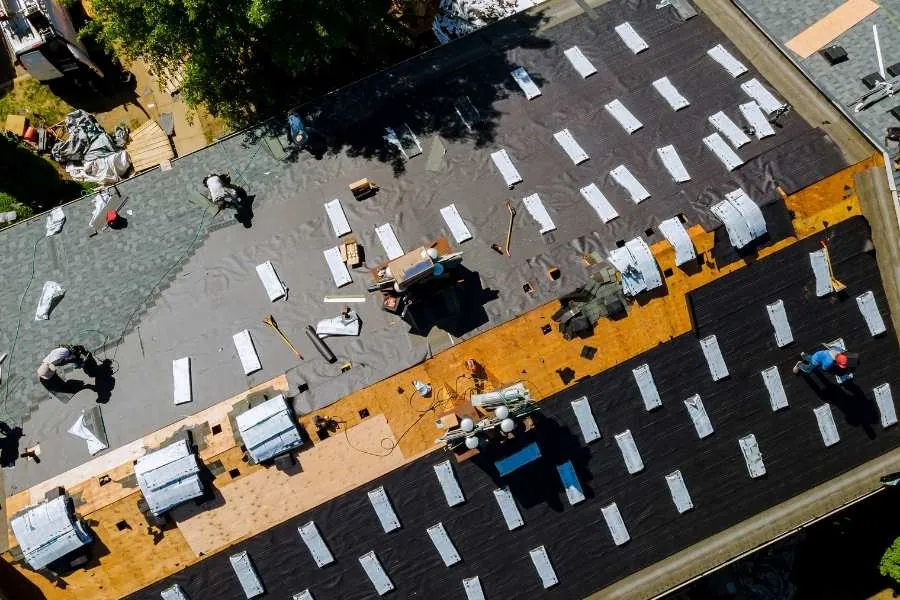
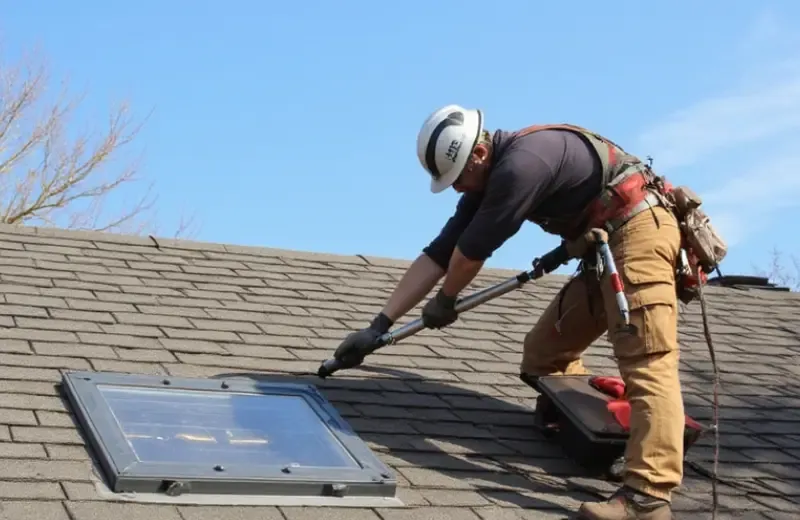
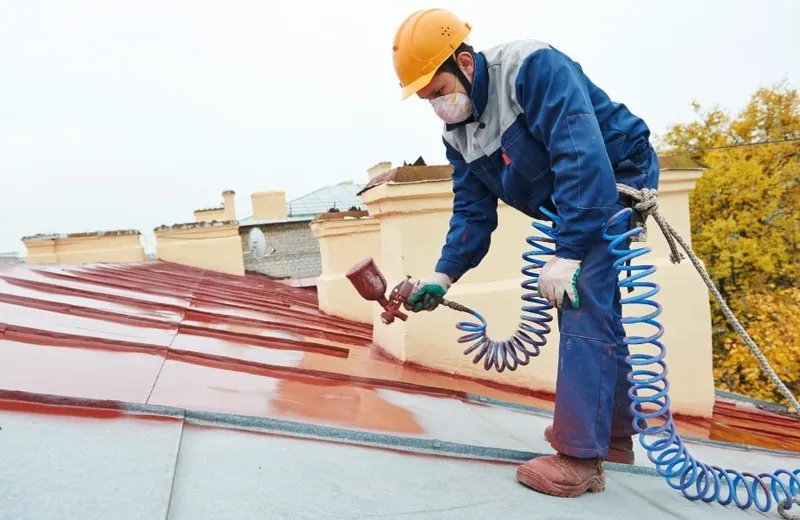
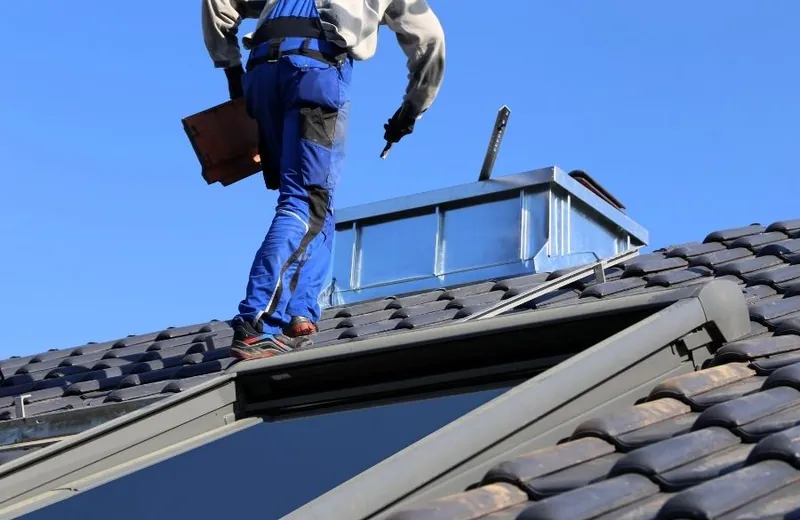
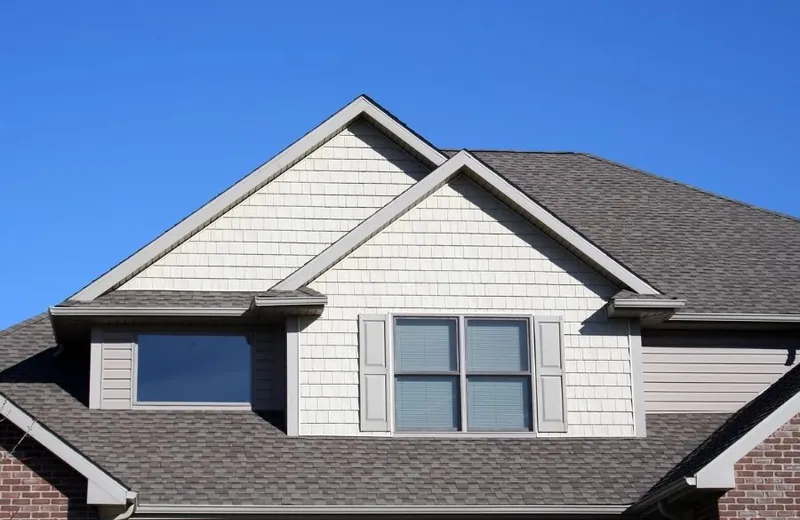
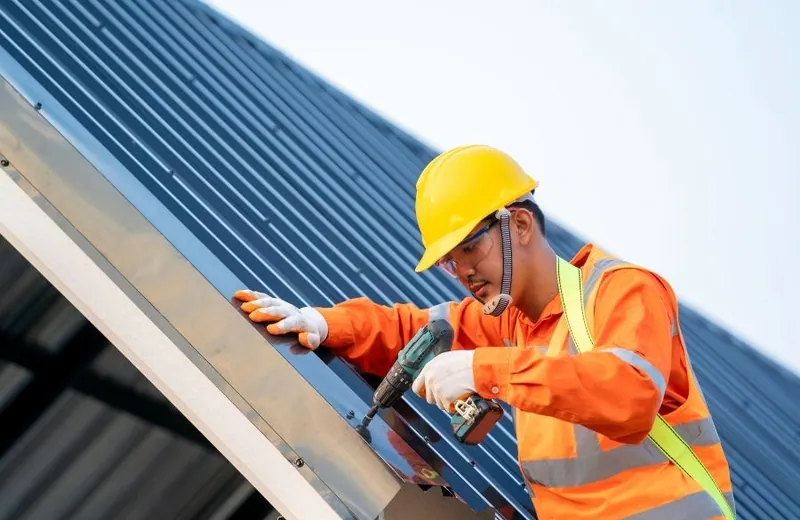
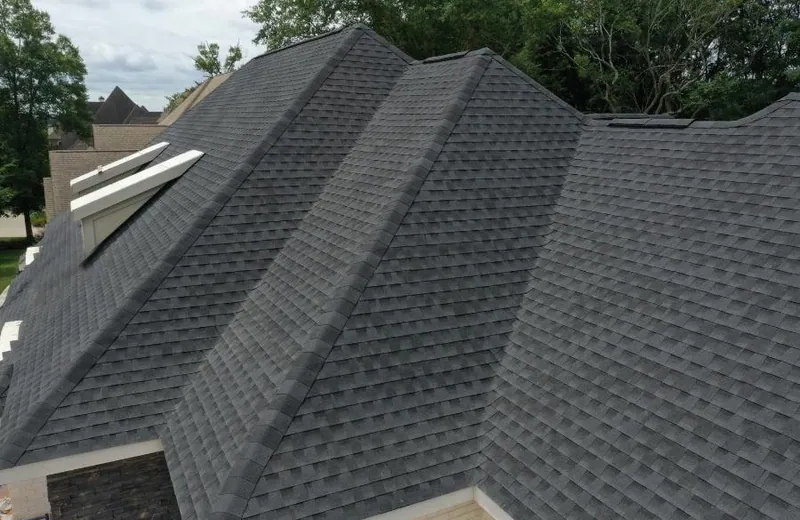
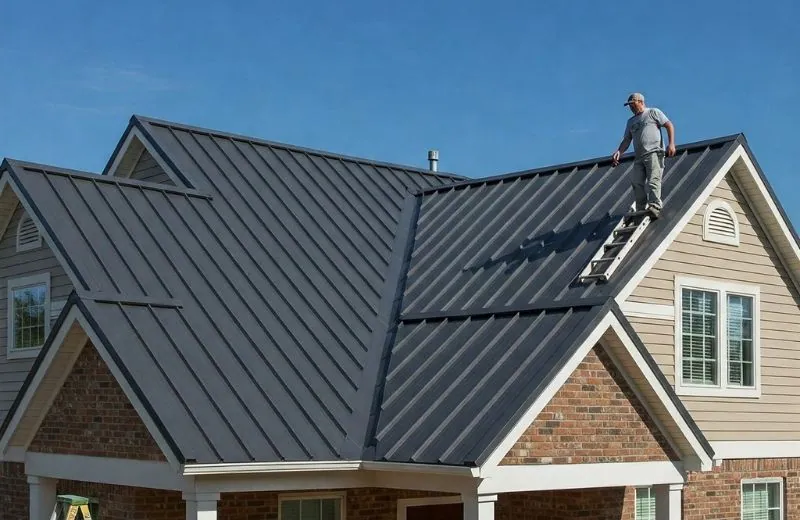
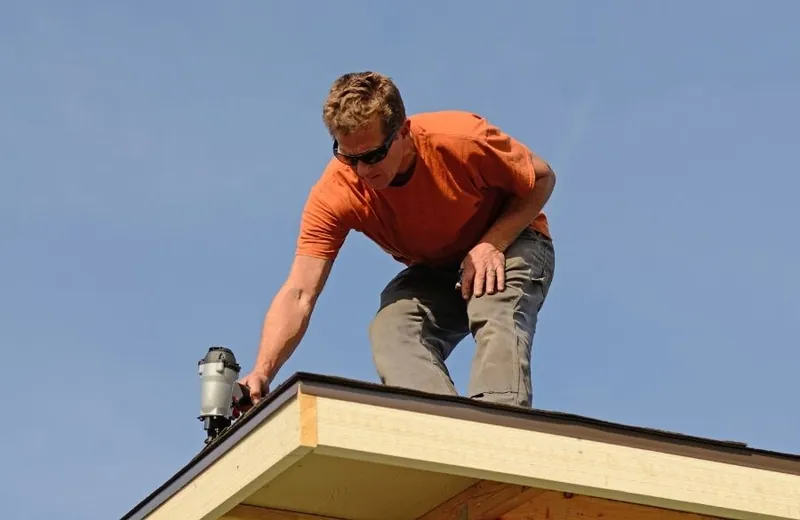
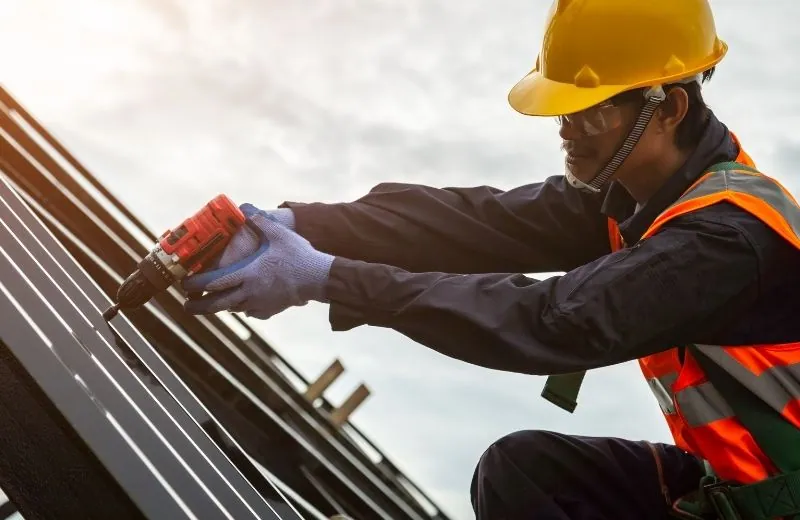
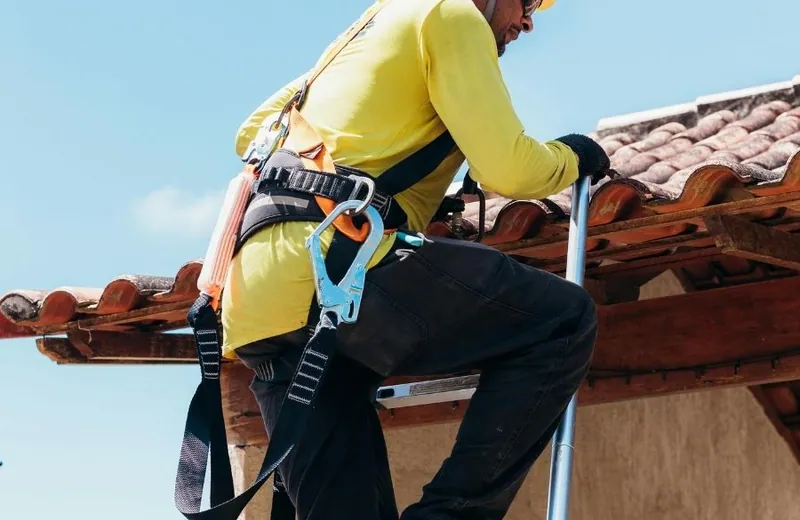
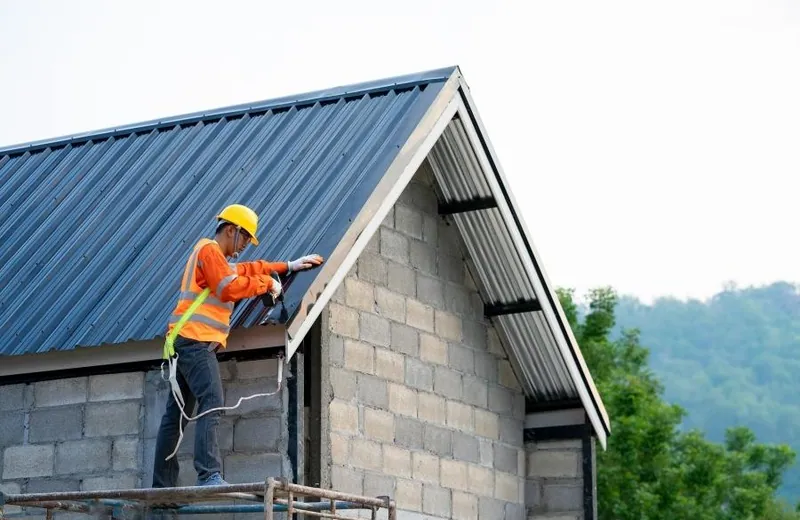
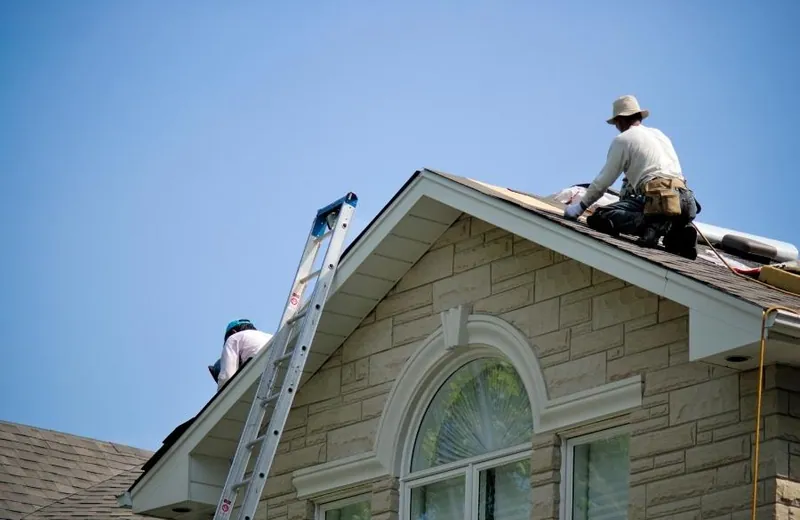
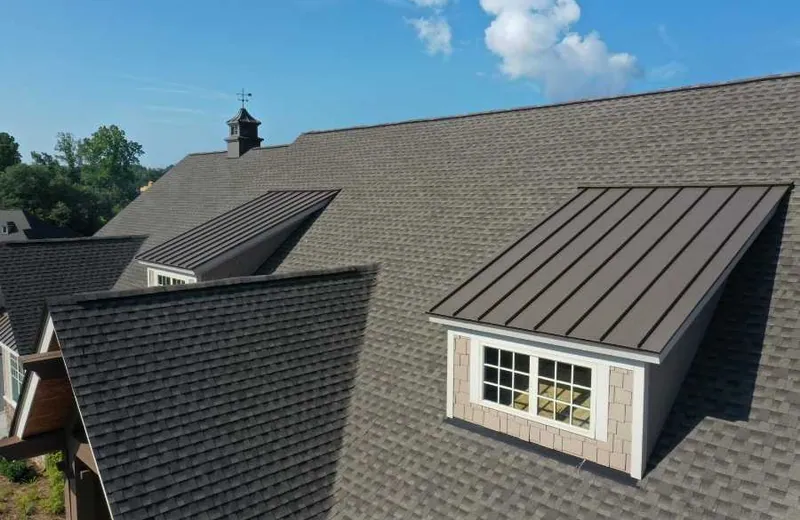
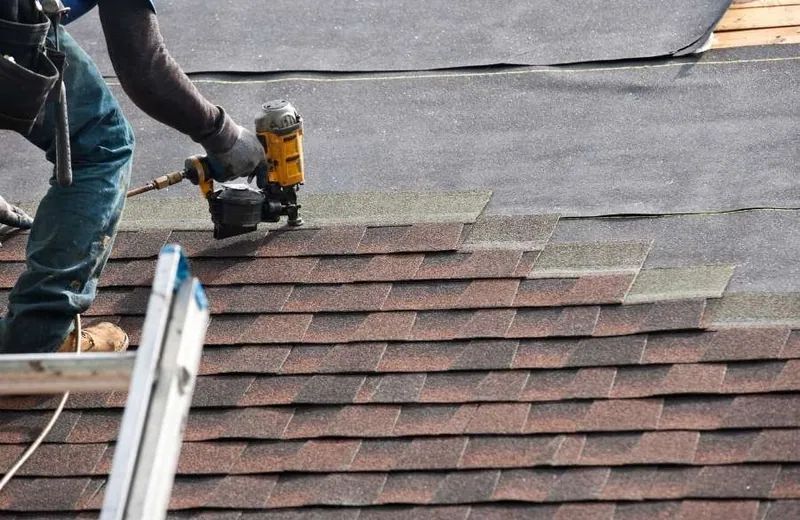
Roofing Questions From Arlington Homeowners
How much does a new roof cost in Arlington, MA?
Most asphalt shingle replacements on Arlington homes cost between about $14,000 and $48,000. A simple Cape usually lands at the low end. A steep two-family or a Victorian with several dormers, valleys and a brick chimney lands at the high end. The biggest factors are how many old layers have to come off, whether the plank sheathing needs a plywood overlay, and how much chimney and wall flashing needs rebuilding. Flat porch roofs usually run $3,500–$10,000. Slate and standing seam metal cost considerably more. We put all of these items in a written estimate so you can compare bids accurately.
Do I need a permit to replace my roof in Arlington?
Yes. Roof replacements and significant repairs generally require a building permit from Arlington Inspectional Services at Town Hall, and the other towns we serve have the same requirement. We pull the permit for you. If your home is in one of Arlington's local historic districts, such as Pleasant Street, Russell Street or Mount Gilboa/Crescent Hill, changing roofing materials or adding skylights or visible solar may need a certificate from the Historic District Commissions first. Cambridge, Lexington, Brookline, Somerville, Newton and Boston each have their own review bodies, and we account for them in the schedule.
How long does a roof replacement take?
Most single-family and two-family asphalt reroofs in Arlington take one to four working days once materials arrive. Steep Victorians, slate work, extensive re-decking or chimney rebuilds take longer. Waiting for the permit usually adds a short delay up front, and a historic district review can add several weeks. Weather is the main wildcard. We only tear off as much roof as we can close up the same day, so the house is never left exposed overnight. Spring and fall book up quickly, so it's worth getting your estimate early.
What's the best way to deal with ice dams on my house?
First, stop the water. Have the ice removed with low-pressure steam and the roof snow cleared safely. Hatchets, rock salt and pressure washers damage shingles and gutters. Next, fix the cause. Most Arlington ice dams come from heat escaping into the attic and poor ventilation, especially in Capes with knee walls and in older Victorians. A lasting fix usually combines air sealing and insulation, balanced soffit and ridge venting, and ice and water membrane at the eaves and valleys when the roof is replaced. Heat cable can help in a few problem spots, but it doesn't fix the underlying cause.
When should I repair my roof instead of replacing it?
Repair makes sense when the shingles still lie flat, hold their granules and are under about 15–20 years old, and the leak comes from one clear source such as chimney flashing or a damaged section. Replacement makes sense when you see widespread curling, bald spots, multiple leaks, two or more layers, or a sagging deck. Act right away if you see ceiling stains, missing shingles after a storm or heavy ice at the eaves. Water damage inside walls gets expensive quickly. For slate, many roofs are worth repairing even when they're very old, since the stone often outlasts its nails and flashing.
Can you repair my slate roof without replacing it?
Usually, yes. Good Vermont, New York and Pennsylvania slate can last a century or more, and the failures are often limited to broken slates, rusted nails or worn-out valleys and flashing. We replace individual slates with matched stone using slate hooks or copper nails, work from walk boards so we don't crack the slates around the repair, and rebuild valleys in copper when needed. If the slate itself is flaking and soft, we'll explain your options honestly. That includes what Arlington's or your town's historic commission is likely to approve if you're in a district.
How can I prevent roof leaks in a New England winter?
Keep gutters and valleys clear, especially under oaks and pines. Make sure bathroom and kitchen fans vent outside rather than into the attic. Seal attic air leaks and add insulation where you can. Rake roof snow from the ground after big storms, staying clear of power lines. Have the flashing and chimney checked every year or two, since freeze-thaw cycles loosen them gradually. When you reroof, insist on ice and water shield well beyond the code minimum and on balanced ventilation. Those two items prevent most of the winter leaks we see in Arlington.
Do you offer financing, and are you insured?
Yes. Greater Boston Roofers is bonded and insured, and we're happy to provide proof of coverage before your project starts. Financing is available for roof replacements and larger repairs. A lot of Arlington homeowners use it to time a reroof with a solar install, insulation upgrades or a home sale. Ask about financing options when we go over your written estimate.
Serving Arlington, MA & Nearby
Get Your Arlington Roof Inspected Before the Next Storm
Whether you have a ceiling stain, icicles building up or a roof that's clearly near the end, a clear plan now costs less than water damage later. Here's what you get when you call us.
- ✓A thorough roof and attic inspection by a local Arlington crew
- ✓A clear written estimate with every item, from tear-off to flashing
- ✓Permit handling, including coordination with historic commissions
- ✓Ice and water shield and proper ventilation on every project
- ✓Bonded and insured work, with proof of coverage on request
- ✓Financing available for replacements and larger repairs
- ✓Tidy daily cleanup with magnetic nail sweeps
⚡ Active leak, ice dam or storm damage? Call now for emergency tarping, steam ice dam removal and roof snow removal.
Bonded • Insured